When investing in a trailer, one of the most common questions buyers ask is whether hydraulic tipping is worth the upgrade compared to manual tipping. Both options have their place, but understanding the differences can help you make the right choice for your needs.
What Is Hydraulic Tipping?
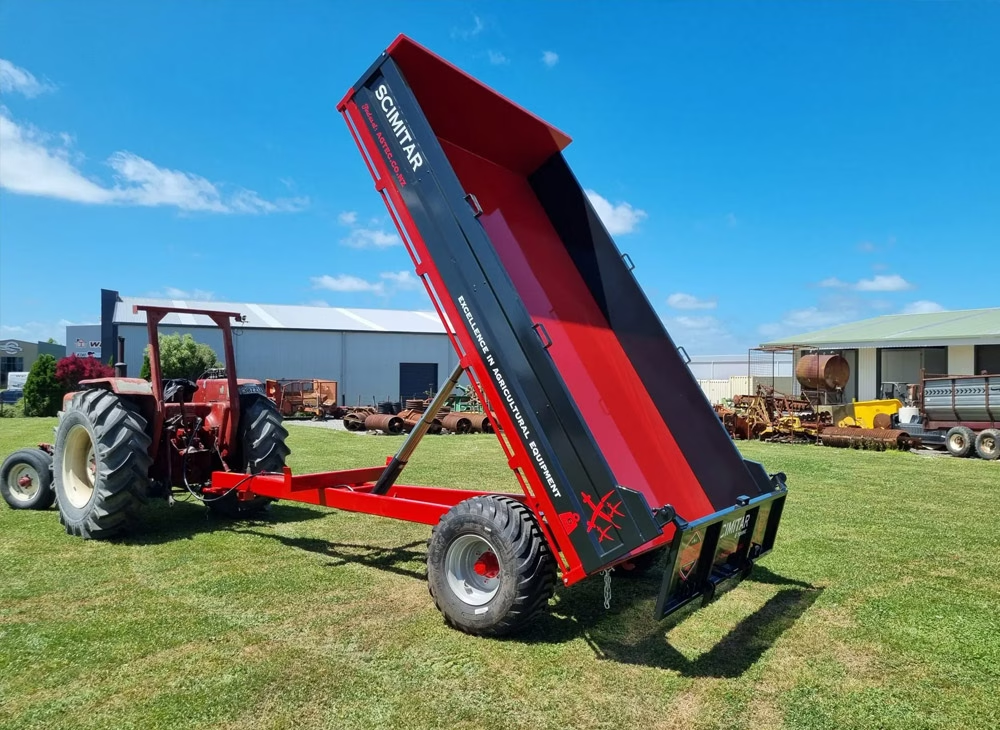
Hydraulic tipping uses a hydraulic system powered by a pump to lift and tilt the trailer bed, allowing you to unload materials with minimal effort. This system is often controlled by a lever or remote, making the process quick and efficient.
Manual Tipping Explained
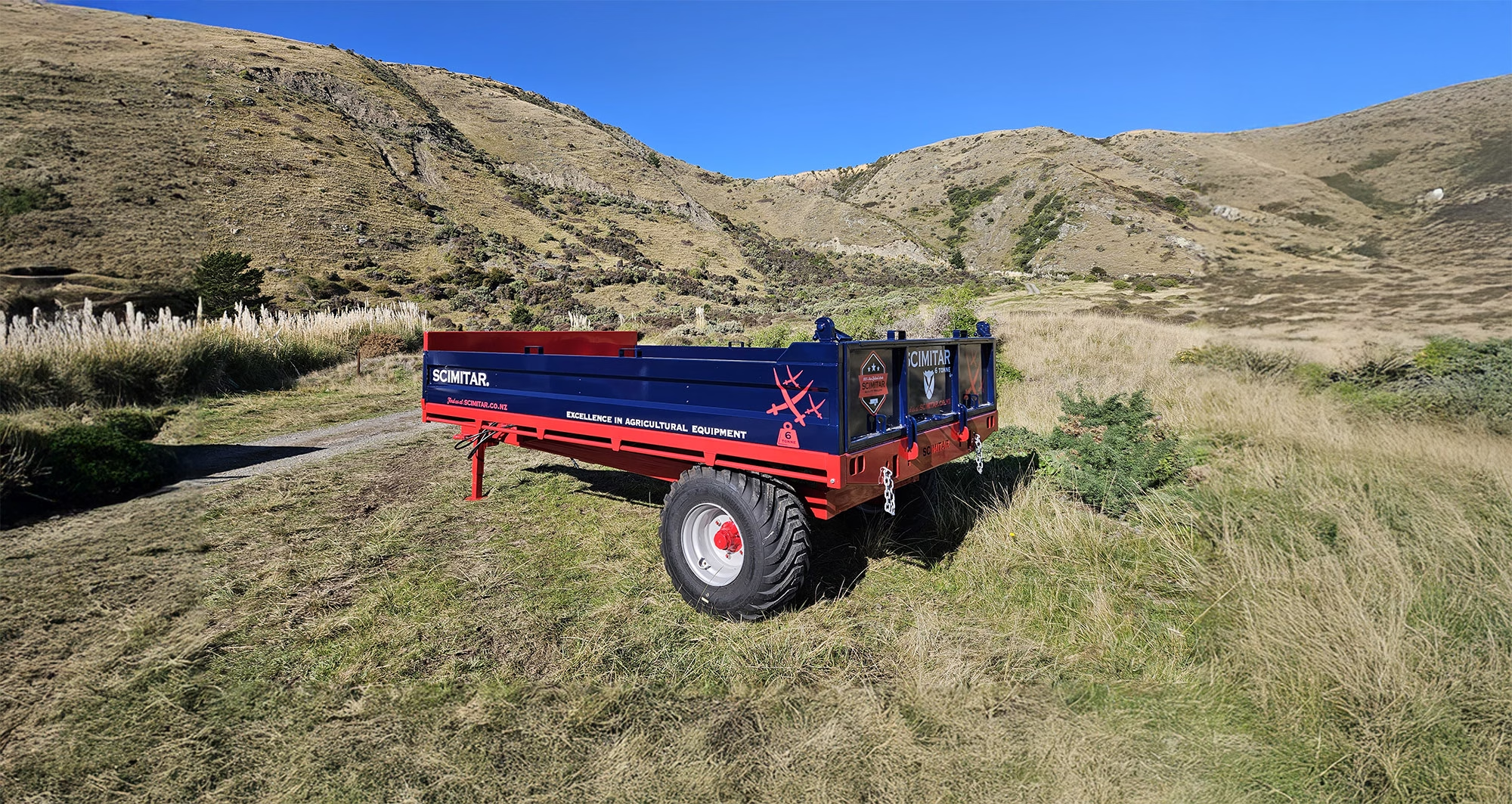
Manual tipping relies on physical effort to tilt the trailer bed. It’s a simpler mechanism, usually involving a latch and gravity, which means fewer components and lower upfront costs.
Benefits of Hydraulic Tipping
- Efficiency
Hydraulic systems save time and energy. With the push of a button or lever, your load is tipped in seconds – ideal for frequent or heavy-duty use. - Safety
Manual tipping can be physically demanding and sometimes risky, especially with heavy loads. Hydraulic systems reduce strain and minimize the chance of injury. - Precision
Hydraulic tipping allows controlled unloading, which is useful when working in tight spaces or when spreading material evenly.
Why Choose Manual Tipping?
- Lower Cost: Manual systems are more affordable upfront.
- Simplicity: Fewer parts mean less maintenance.
- Light Loads: If you’re only moving small quantities occasionally, manual tipping might be enough.
Which Is Right for You?
If you’re handling heavy loads regularly or value speed and safety, hydraulic tipping is the clear winner. For occasional, light-duty use, manual tipping can still be a practical choice.
Final Tip: Consider how often you’ll use the trailer and the type of loads you’ll carry. Hydraulic systems are an investment in convenience and safety, while manual tipping suits those who prioritize simplicity and cost.