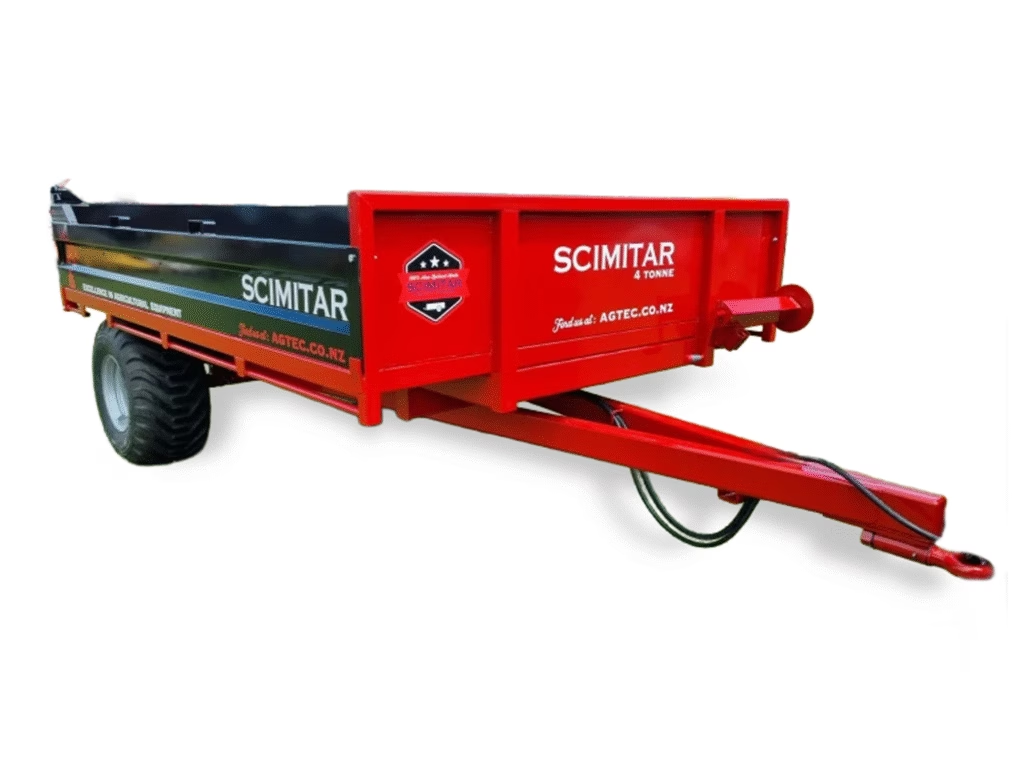
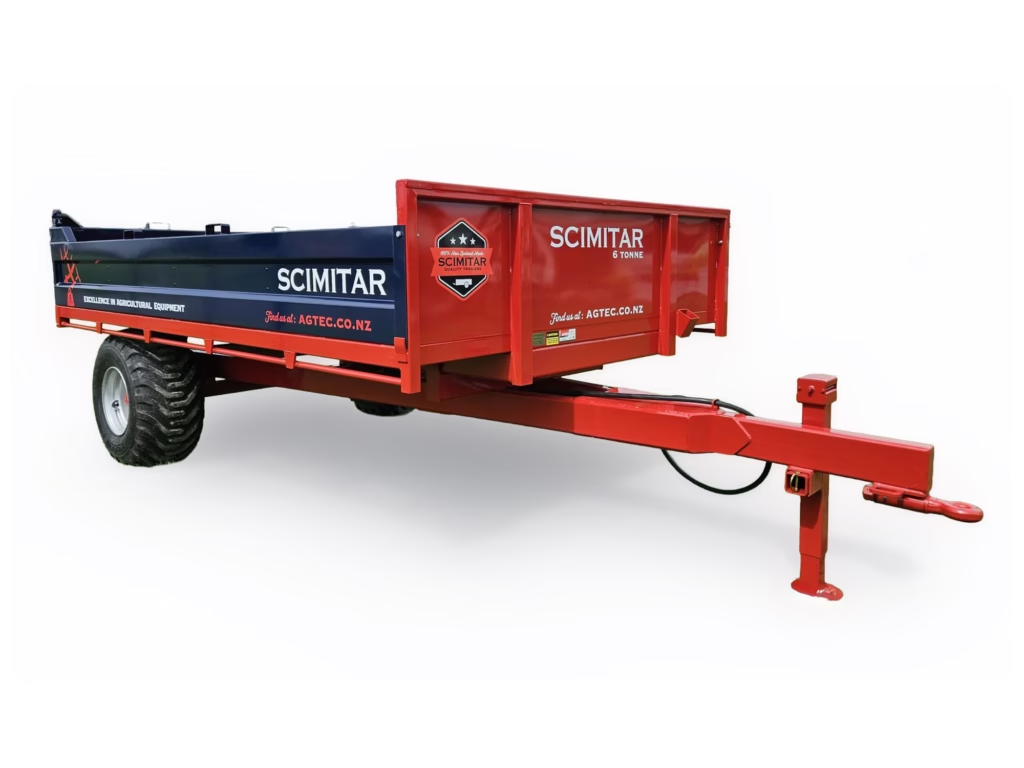
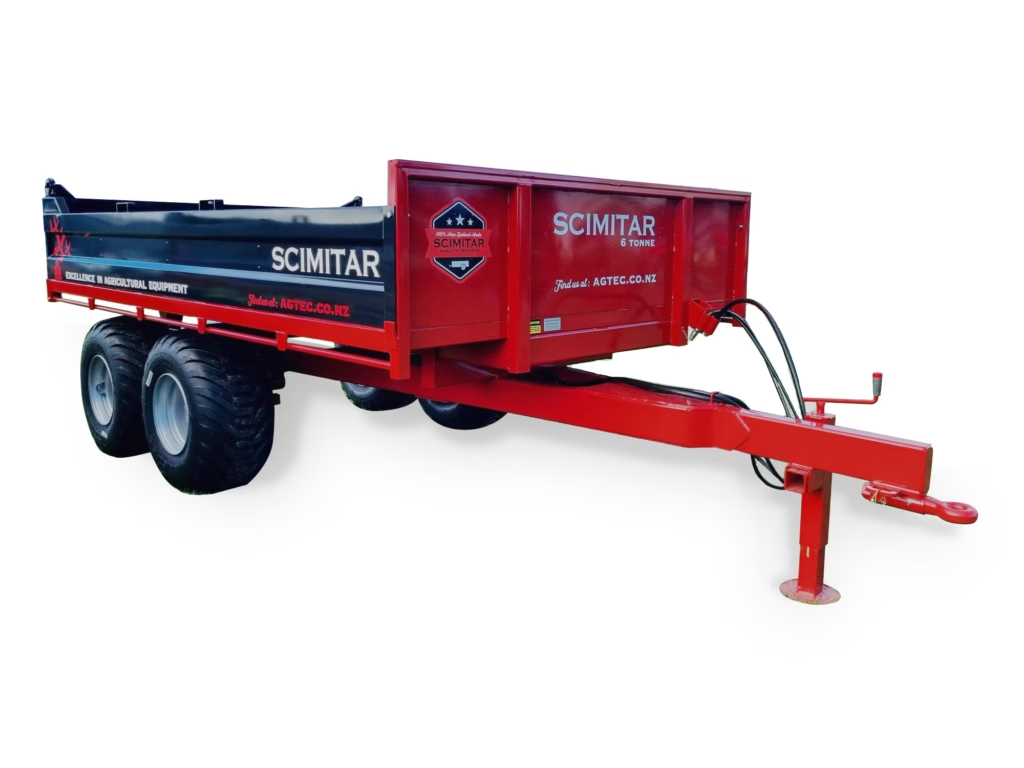
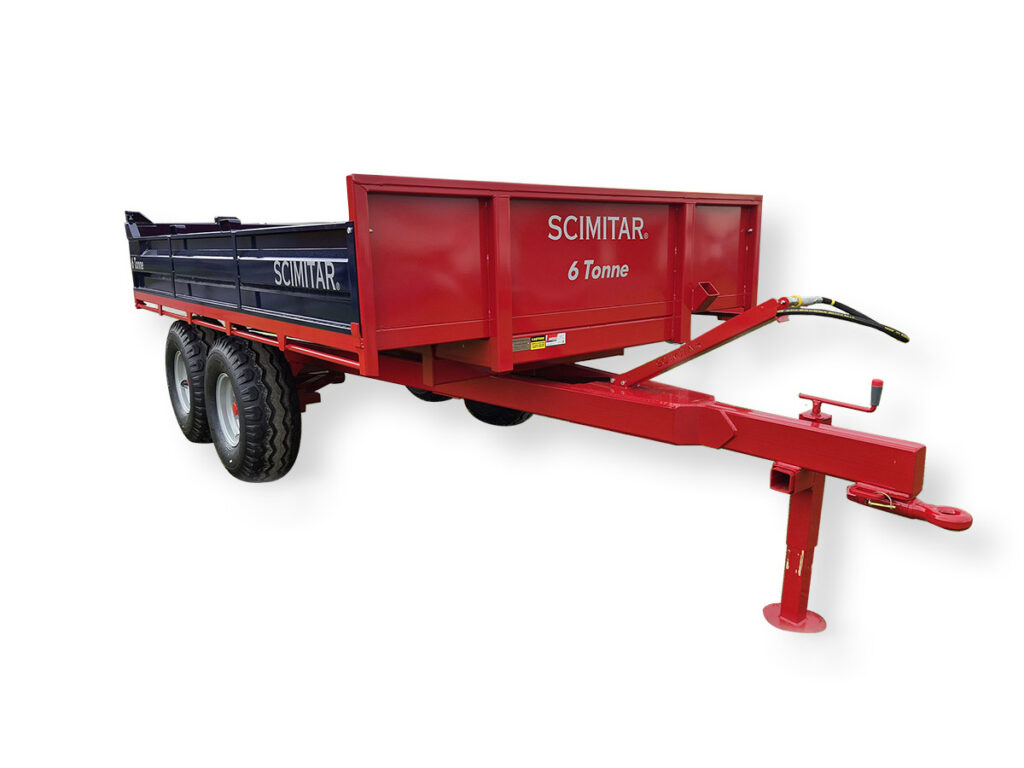
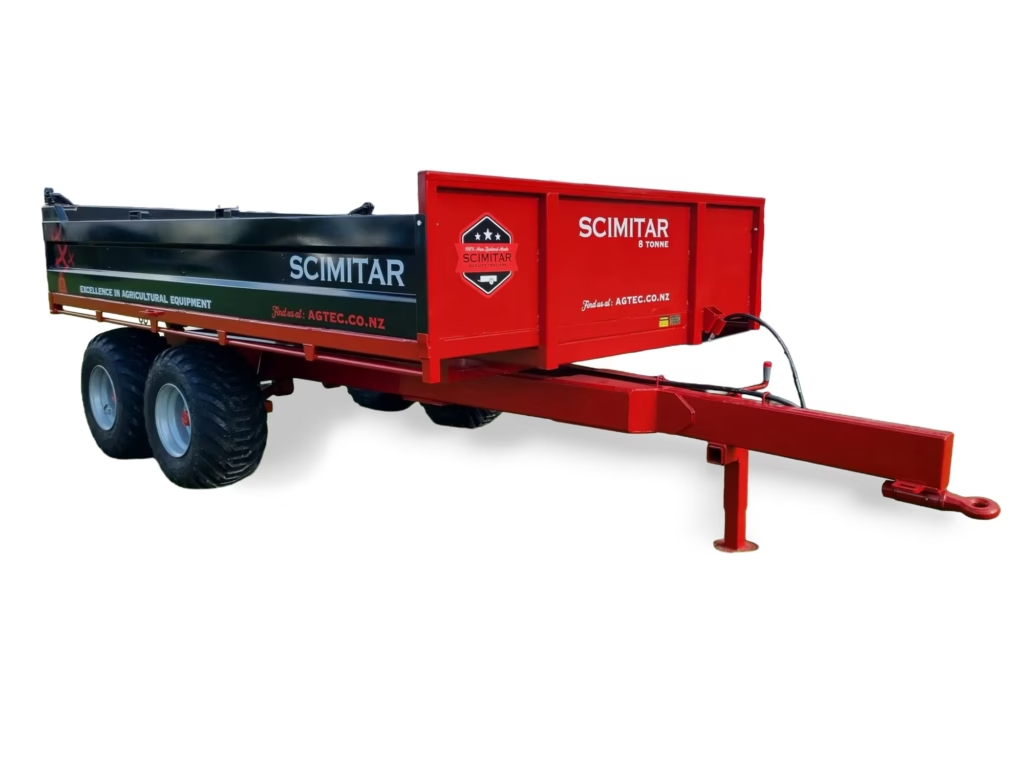
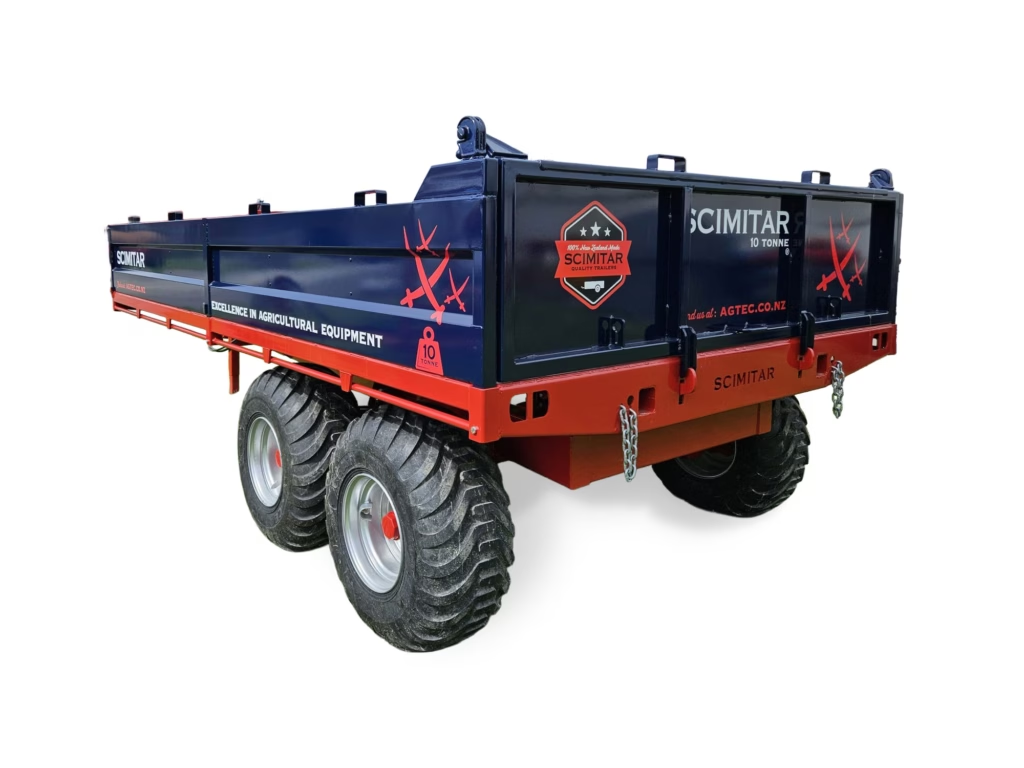
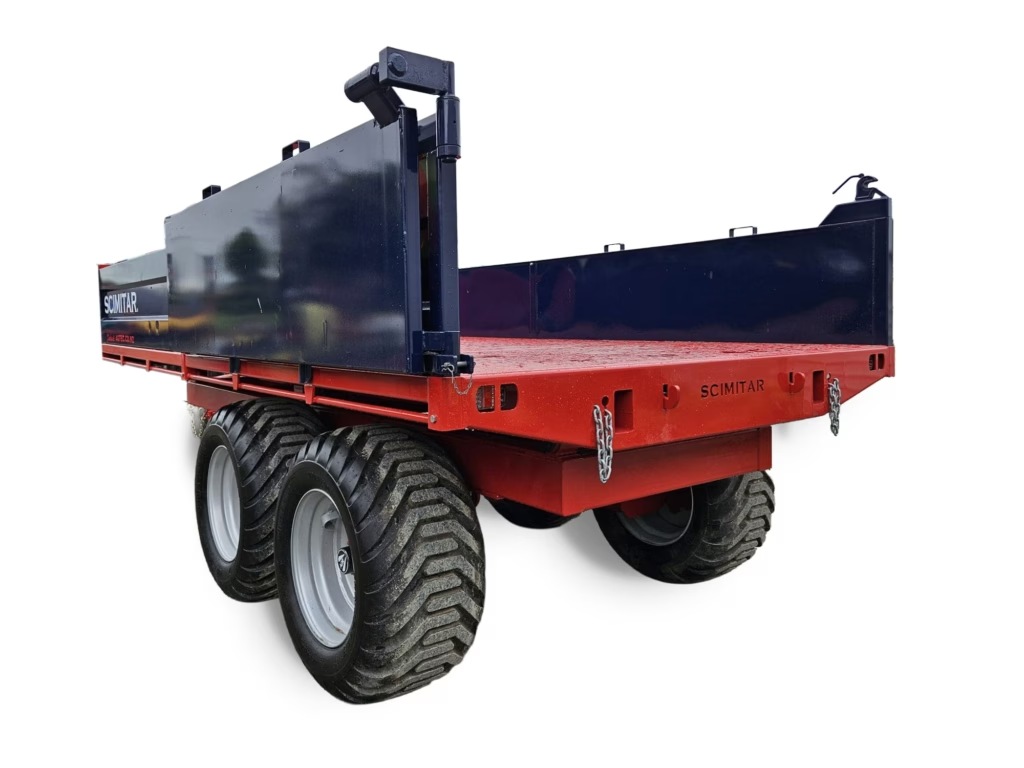
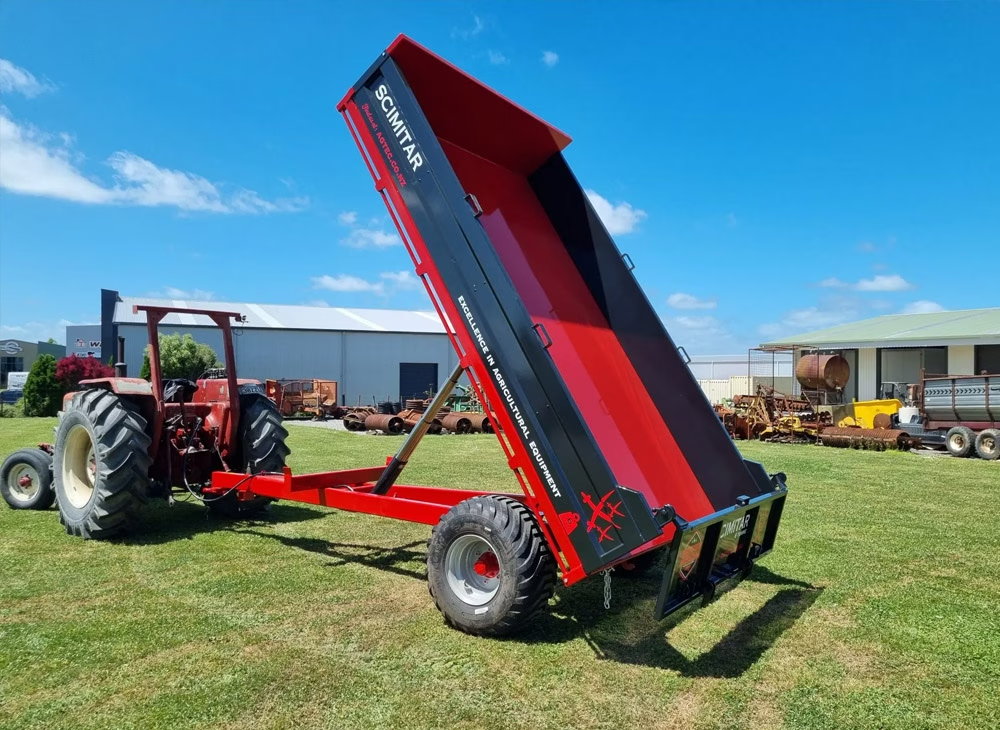
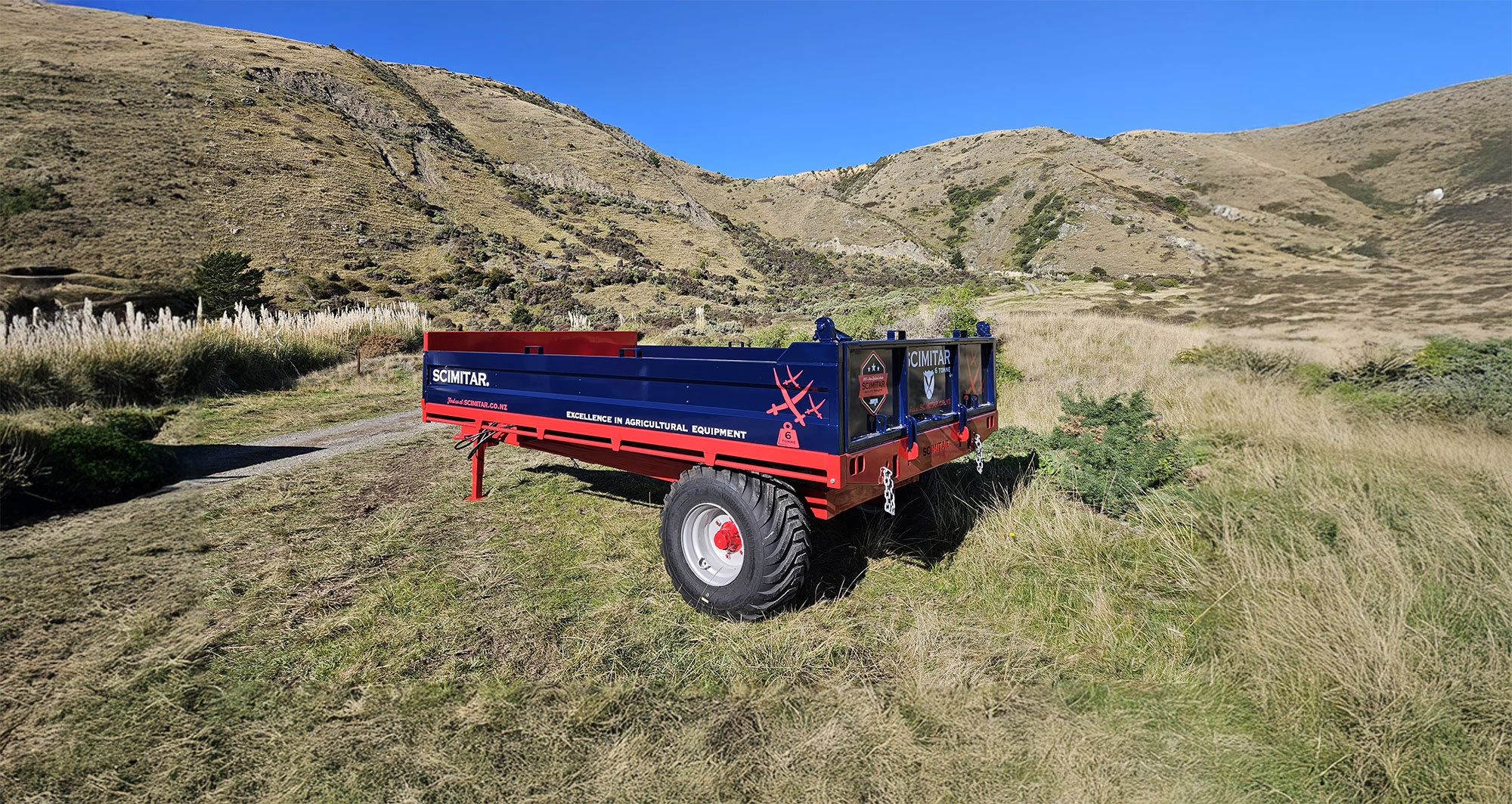
Our Tip Trailers are engineered for versatility, durability, and ease of use. Designed to handle heavy loads with precision, our trailers are the ideal solution for transporting materials across various terrains.
Welcome to Scimitar. Since 2003, we’ve been delivering high-quality agricultural machinery that farmers can trust. Discover our range of innovative and durable solutions.
A tip trailer is a long-term investment in the efficiency of a farming, landscaping or contracting operation. Scimitar tip trailers are designed for regular use, combining robust construction with practical features that help businesses move materials safely and efficiently. Heavy-duty chassis, durable steel decks and reliable hydraulic tipping systems provide the strength required for demanding loads and changing ground conditions.
Quality construction can also reduce downtime and operating costs. A well-built trailer is less likely to require frequent repairs, while serviceable components make ongoing maintenance more straightforward. Features such as stable axle configurations, practical tailgate systems and reinforced tipping points can improve loading, transport and unloading across everyday jobs. By selecting a trailer suited to the workload, businesses can complete material-handling tasks faster, reduce reliance on additional machinery and make better use of tractors already operating on site.
Applications of Tip Trailers
Tip trailers are versatile attachments used across farming, earthmoving, landscaping and rural contracting. Their hydraulic tipping systems allow loose materials to be unloaded quickly, making them suitable for transporting soil, gravel, sand, fertiliser, mulch, feed and general farm materials. Larger models can support heavier workloads, while smaller trailers provide greater manoeuvrability around paddocks, yards and confined work areas.
On farms, tractor tipper trailers can assist with track maintenance, fencing projects, crop and feed transport, property development and general clean-up work. Contractors may use them to move bulk materials between job sites or distribute gravel, soil and landscaping products. Because one trailer can perform several different tasks, it can become a valuable part of an operation’s everyday machinery fleet.
Choosing the right tractor tripper trailer
Choosing the right tractor tipper trailer starts with understanding the materials being moved, the expected load weight and the conditions in which the trailer will operate.
Capacity should be large enough to support regular workloads without exceeding the capabilities of the tractor.
Buyers should also consider deck dimensions, as a trailer may need additional length or width for bulky materials even when the total weight is relatively low.
Tractor horsepower and hydraulic capacity must be compatible with the selected trailer.
Axle configuration is another important consideration. Single-axle trailers may suit lighter work and tighter spaces, while tandem-axle models can offer improved stability and weight distribution on uneven terrain.
Businesses should also compare tipping angle, braking requirements, tailgate operation, tyre specifications and available accessories. Reviewing these factors with a machinery specialist helps ensure the trailer is suitable for both current tasks and future business requirements.
FAQs
How do I choose the right tip trailer capacity?
Consider the weight and volume of the materials you regularly transport, how often the trailer will be used, the terrain and your tractor’s towing capacity. A smaller trailer may suit lighter or occasional farm work, while larger models are better for frequent bulk transport and contracting. Scimitar offers tip trailers from 4 to 14 tonnes, allowing buyers to match the trailer to their workload and tractor.
What tractor horsepower is required for a tip trailer?
As a general guide, Scimitar recommends a 4-tonne trailer for 45–60 HP tractors, a 6-tonne trailer for 60–80 HP, an 8-tonne trailer for 80–100 HP and a 10-tonne trailer for 100–130 HP. The correct match also depends on terrain, load type, braking and operating conditions, so buyers should confirm their requirements with the Scimitar team.
What is the difference between single and tandem axle tip trailers?
A single-axle tip trailer is generally more affordable and may suit lighter or less frequent use. A tandem-axle trailer distributes its load across two axles, providing a smoother ride and reducing ground pressure and compaction. Tandem models are therefore often better suited to frequent use, heavier workloads and operation over uneven farm terrain.
Are Scimitar tip trailers hydraulically operated?
Yes. Scimitar tip trailers use hydraulic rams to raise the deck and unload materials. The size and number of ram stages vary between models—for example, the 6-tonne trailer uses a four-stage ram, while the 10-tonne and 14-tonne models use five-stage and six-stage rams respectively. Hydraulic tailgate releases and hydraulic brakes are also available on selected models.
Why is Corten steel used in tip trailers?
Corten is a high-strength weathering steel that offers better corrosion resistance and shape retention than standard mild steel. It develops a stable protective surface layer that slows further corrosion, helping the trailer deck withstand heavy loads and demanding outdoor conditions. For farmers and contractors, this can mean a longer deck life, fewer repairs and lower ongoing maintenance costs.
How can I request a price for a Scimitar tip trailer?
Submit an enquiry through the Scimitar website or contact the Masterton team directly. Pricing will depend on the trailer’s capacity, axle configuration and selected extras, such as hydraulic brakes, a hydraulic tailgate, LED lights, hay extensions or central greasing. Providing details about your tractor and intended workload will help the team recommend and quote the most suitable model.
Which tip trailer is best for contractors?
The best option depends on the materials being transported, load frequency, tractor size and operating terrain. The 10-tonne model is designed for larger farms and contractors, while the 14-tonne trailer is intended for contractors and large-scale farming operations handling demanding loads. Smaller tandem models may be more suitable where manoeuvrability, reduced ground pressure and everyday versatility are priorities.
Latest news
Stay updated with the latest in agricultural machinery, farming tips, and industry news. Explore our blog for expert insights and practical advice.
When farmers think about improving paddock performance, land levellers often come up in conversation. But what exactly does a leveller do, and why is it considered essential for modern farming?...
When investing in a trailer, one of the most common questions buyers ask is whether hydraulic tipping is worth the upgrade compared to manual tipping. Both options have their place,...
When investing in a trailer, one of the most common questions buyers ask is whether hydraulic tipping is worth the upgrade compared to manual tipping. Both options have their place,...
When it comes to heavy-duty work in New Zealand – whether on farms, construction sites, or lifestyle blocks – having the right tip trailer can make all the difference. A...
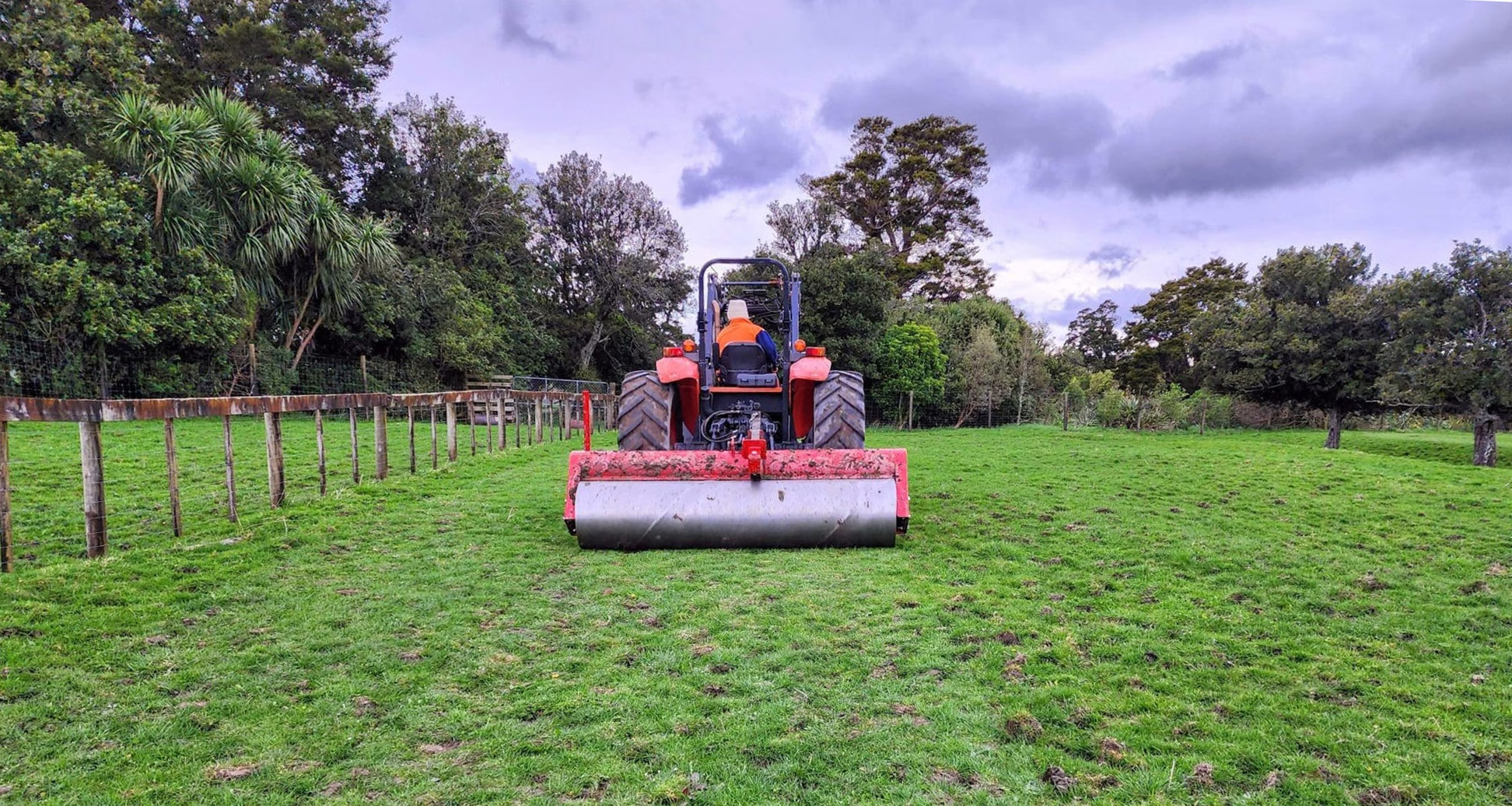
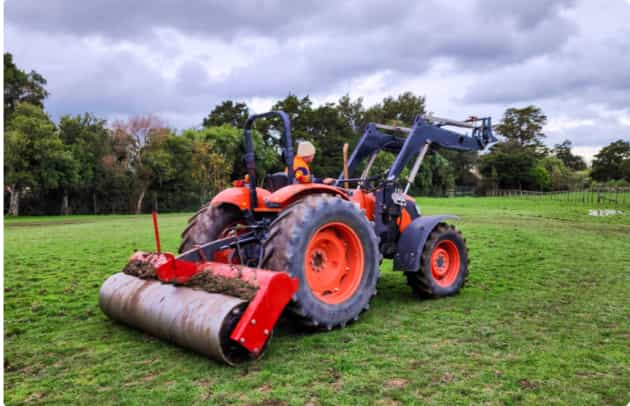
Farmers and contractors know that rolling paddocks is essential for pushing stones down and repairing pugging after wet conditions. Traditionally, this job has been done with heavy, water-filled flat rollers...
When you invest in a tip trailer, you want it to last. At Scimitar, we go beyond standard materials to deliver durability and performance that stand the test of time....
When farmers think about improving paddock performance, land levellers often come up in conversation. But what exactly does a leveller do, and why is it considered essential for modern farming?...
When investing in a trailer, one of the most common questions buyers ask is whether hydraulic tipping is worth the upgrade compared to manual tipping. Both options have their place,...
When investing in a trailer, one of the most common questions buyers ask is whether hydraulic tipping is worth the upgrade compared to manual tipping. Both options have their place,...
When it comes to heavy-duty work in New Zealand – whether on farms, construction sites, or lifestyle blocks – having the right tip trailer can make all the difference. A...
Farmers and contractors know that rolling paddocks is essential for pushing stones down and repairing pugging after wet conditions. Traditionally, this job has been done with heavy, water-filled flat rollers...
When you invest in a tip trailer, you want it to last. At Scimitar, we go beyond standard materials to deliver durability and performance that stand the test of time....