When investing in a trailer, one of the most common questions buyers ask is whether hydraulic tipping is worth the upgrade compared to manual tipping. Both options have their place, but understanding the differences can help you make the right choice for your needs.
What Is Hydraulic Tipping?
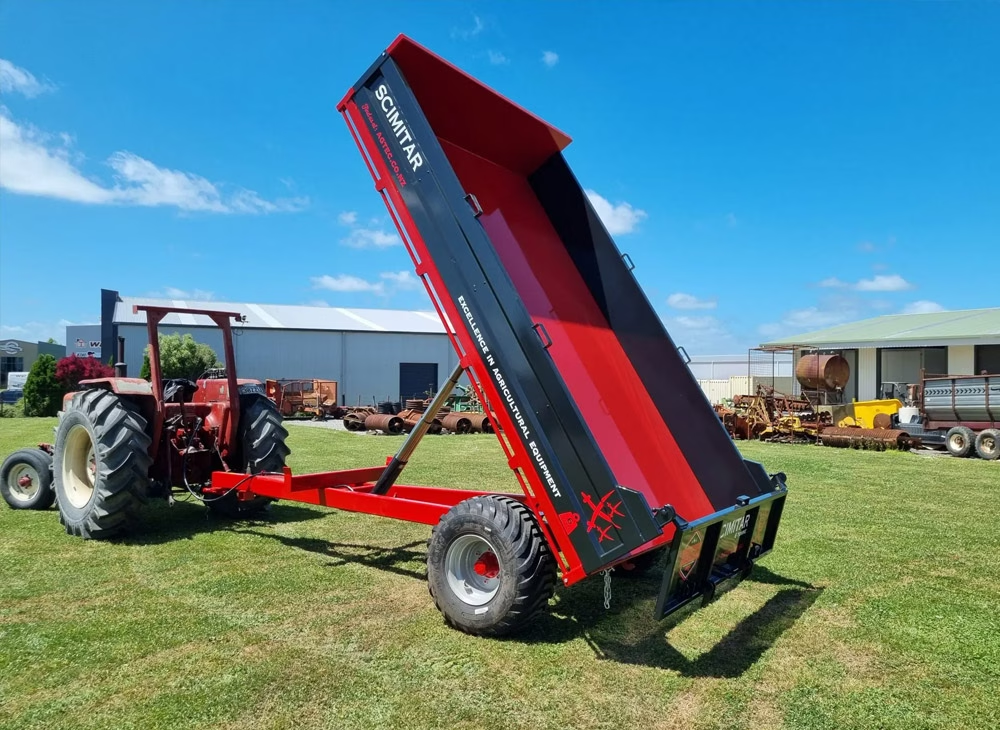
Hydraulic tipping uses a hydraulic system powered by a pump to lift and tilt the trailer bed, allowing you to unload materials with minimal effort. This system is often controlled by a lever or remote, making the process quick and efficient.
Manual Tipping Explained
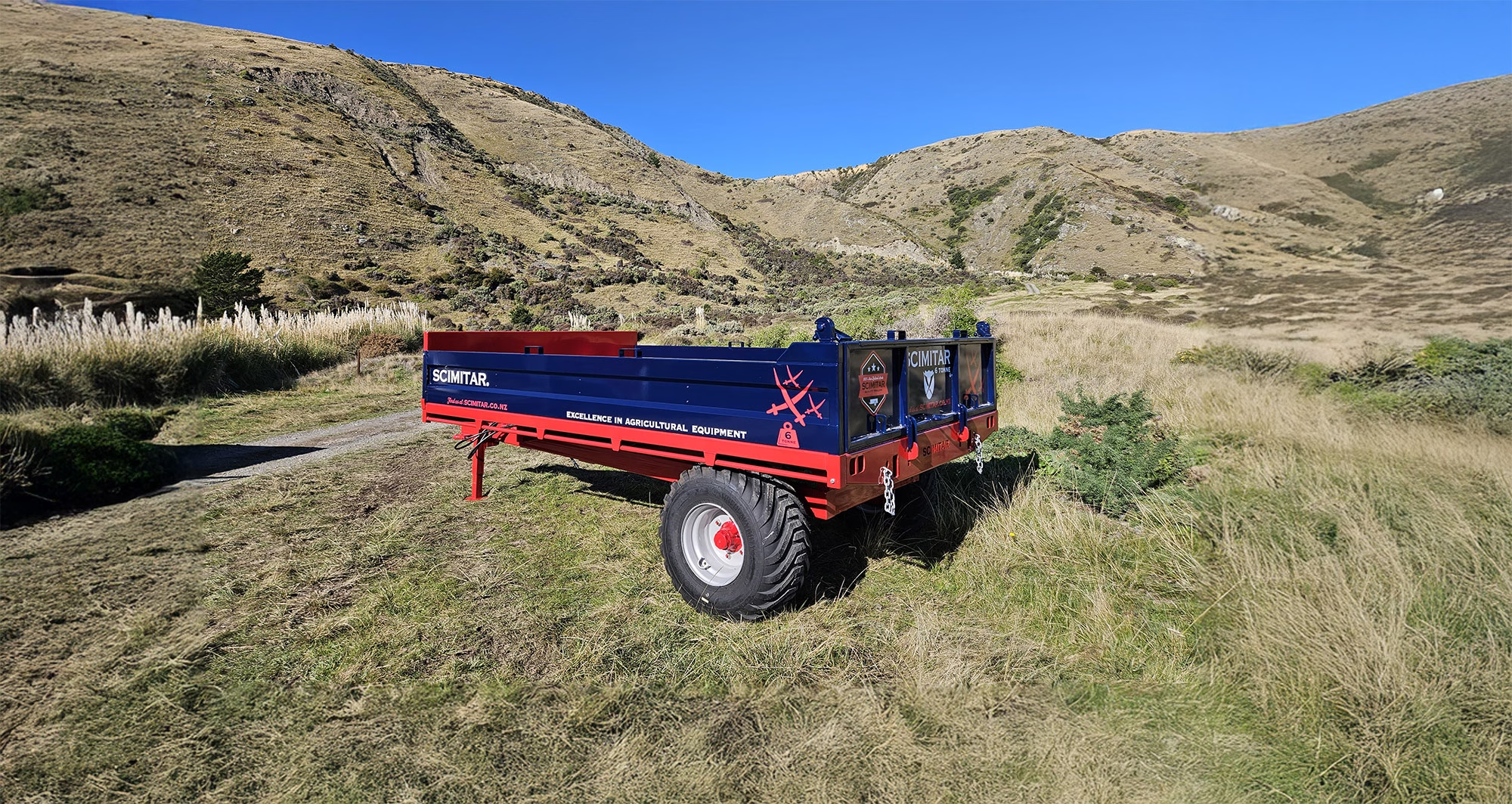
Manual tipping relies on physical effort to tilt the trailer bed. It’s a simpler mechanism, usually involving a latch and gravity, which means fewer components and lower upfront costs.
Benefits of Hydraulic Tipping
- Efficiency
Hydraulic systems save time and energy. With the push of a button or lever, your load is tipped in seconds – ideal for frequent or heavy-duty use. - Safety
Manual tipping can be physically demanding and sometimes risky, especially with heavy loads. Hydraulic systems reduce strain and minimize the chance of injury. - Precision
Hydraulic tipping allows controlled unloading, which is useful when working in tight spaces or when spreading material evenly.
Selecting the right land roller is a smart way to lift pasture performance, protect gear, and save time after weather and stock pressure. Two proven choices are Rubber Tyred Rollers (RTR) and Transfer Rollers—and Scimitar builds both, right here in New Zealand. This guide compares how each works, where they shine, and which one is best for your specific paddock jobs.
Quick Summary
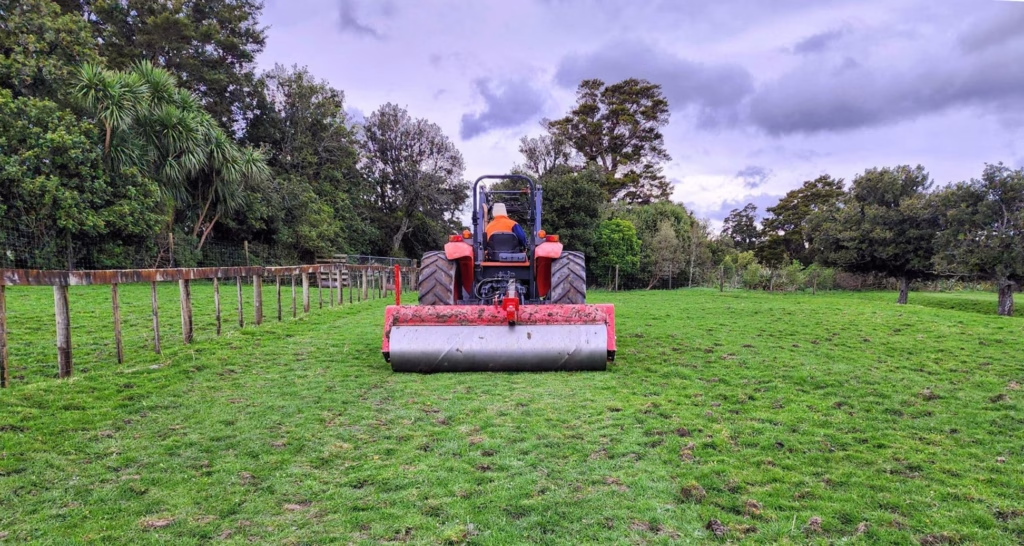
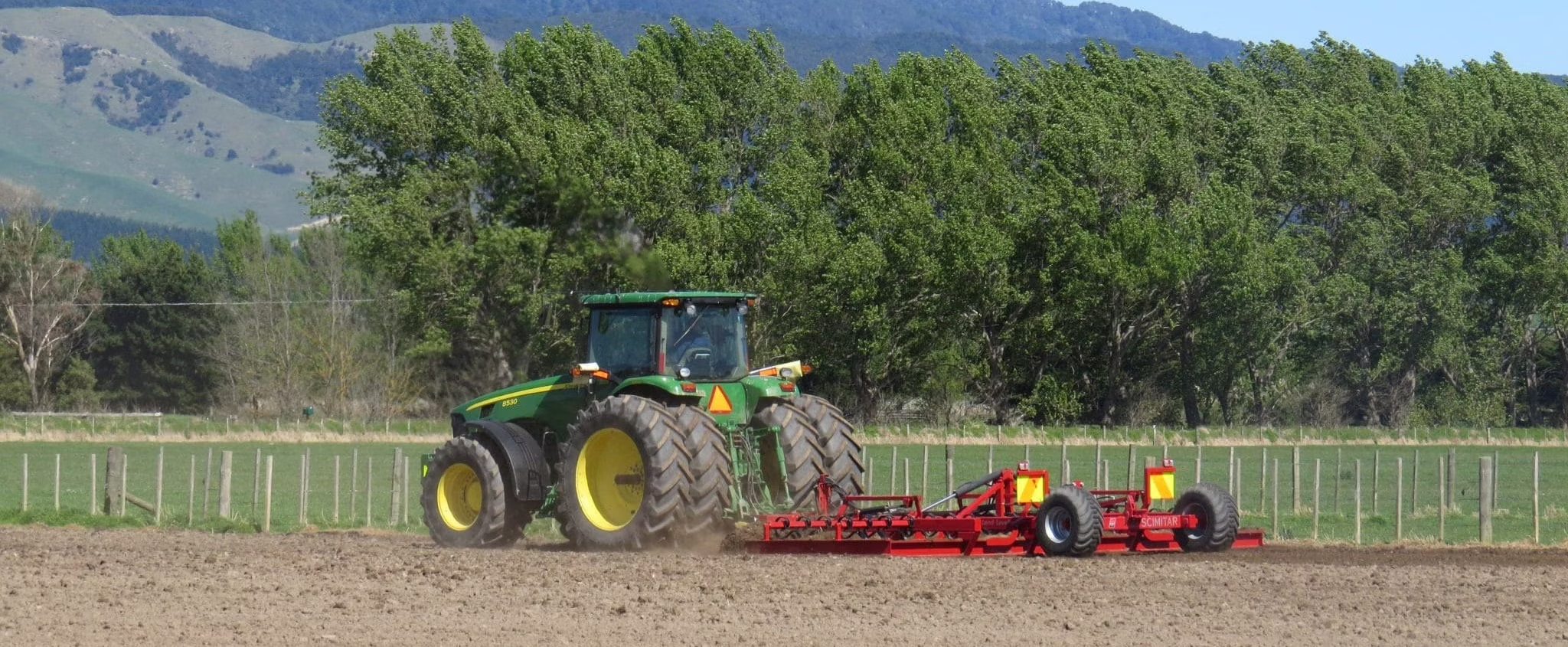
- Rubber Tyred Roller (RTR): A wide, tow-behind roller using multiple rubber tyres for a flat, even consolidation—ideal after sowing to boost seed–soil contact and to smooth pugged areas. Water ballast can increase operating weight. [scimitar.co.nz]
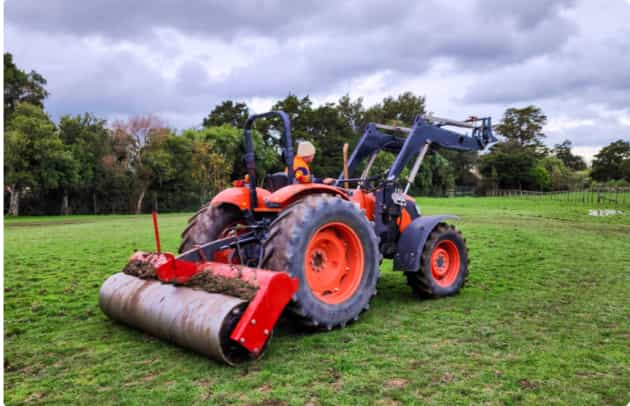
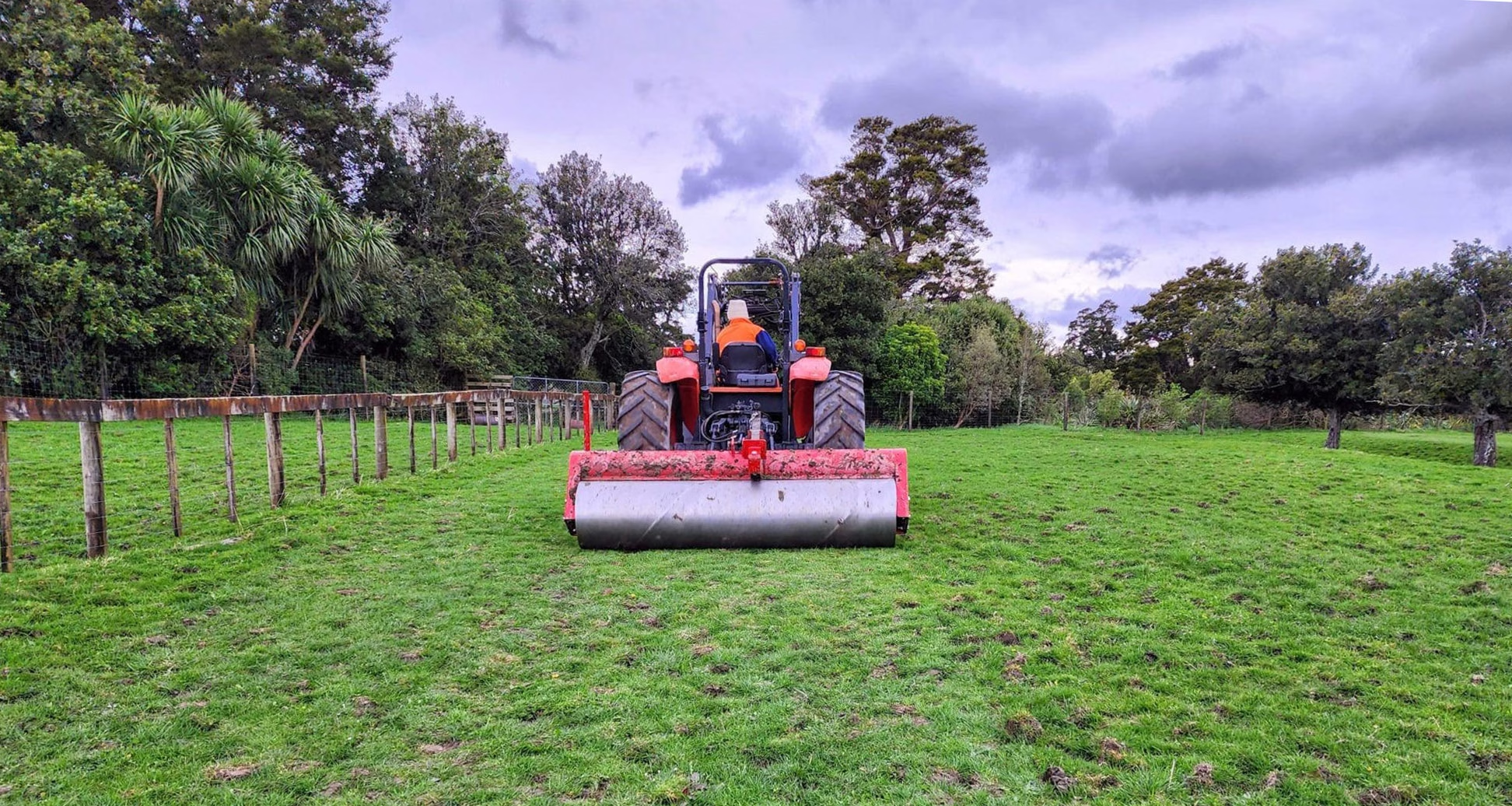
- Transfer Roller: A 3‑point-link (3PL) tractor-mounted roller that transfers part of the tractor’s weight onto the drum, adding serious downward force at speed—excellent for rolling stones in and repairing pugging fast, with easy pressure adjustment from the seat. [scimitar.co.nz]
Explore Scimitar’s models:
- Scimitar Rubber Tyred Roller → Product page
- Scimitar Transfer Roller → Product page
What Each Roller Does and Why It Matters
Rubber Tyred Roller (RTR): Smooth, Even, Seed-Friendly Compaction
RTRs use a bank of large pneumatic tyres to deliver a flat, even roll across a wide working width, improving seed–soil contact and germination after drilling. For extra weight, the drum can be water-filled to bring operating weight to ~1.8 tonnes (standard 3 m RTR approx. 970 kg empty; drum capacity ~700 L).
This “kneading” style of rubber tyres is well-known in compaction for closing surface voids and achieving uniform density without scuffing—great for delicate pasture and newly sown paddocks. Industry references highlight pneumatic/rubber-tyred rollers for even pressure distribution, adjustable tyre pressure, and superior sealing, especially compared to rigid steel drums.
Best for:
- Post-sowing consolidation to boost germination
- Flattening pugged areas for smoother traffic and mowing
- Gentle, uniform rolling over wider widths
Transfer Roller: Weight Transfer + Speed = Impact
A Transfer Roller connects to your tractor’s 3‑point linkage and uses a unique weight transfer system to shift additional tractor mass (up to ~3 tonne) onto the roller, massively increasing downward pressure. Operators can adjust pressure from the seat, and typical operating speeds are 10–12 km/h—the speed/impact combo pushes stones and lumps down more effectively. Specs include 2.75–3.0 m working width, 600 mm drum diameter, and 945–1025 kg dry weight (wet approx. 1919–2075 kg). Recommended tractor: 80–150 hp (4WD).
Because it’s 3PL-mounted, you can lift it instantly in wet spots to avoid bogging—handy across variable conditions where heavy water-filled rollers might stick.
Best for:
- Rolling stones in quickly across large areas
- Repairing pugging after wet periods
- Fast coverage at brisk speeds with on-the-fly pressure control.
Side-by-Side Comparison
| Feature | Scimitar Rubber Tyred Roller (RTR) | Scimitar Transfer Roller |
|---|---|---|
| Mounting | Tow-behind (removable drawbar) | 3‑point linkage (3PL) with top link ram |
| Working width | 3 m rolling width | 2.75–3.0 m |
| Weight | ~970 kg empty; water ballast to ~1.8 t | 945–1025 kg dry; ~1919–2075 kg wet |
| Downward pressure | Pneumatic tyre kneading + ballast | Transfers tractor weight (~3 t) to roller |
| Best use cases | Post-sowing consolidation; smoothing pugged ground | Rolling stones in; fast pugging repair; variable conditions |
| Speed | Typical field speeds; focus on uniform consolidation | 10–12 km/h impact rolling for higher effectiveness |
| Wet ground handling | Wide footprint + ballast; tow-behind | Lift on 3PL to avoid bogging |
| Tractor requirements | Tow-capable | 80–150 hp 4WD recommended |
| Ease of transport | Simple tow; easy road moves | 3PL—compact to move farm-to-farm |
When to Choose RTR vs Transfer Roller
Choose an RTR if you:
- Want maximum seed–soil contact after drilling across a wide width
- Need a flat, gentle roll with minimal surface scuffing
- Prefer a simple, robust tow-behind with optional water ballast.
Choose a Transfer Roller if you:
- Need to push stones down and fix pugging fast
- Value seat-adjustable pressure and higher impact at speed
- Work in mixed/wet conditions and want instant 3PL lift to stay mobile.
Real-World Compaction Notes (Why Rubber Tyres Matter)
Rubber-tyred compaction (common in road building) is praised for kneading action, even load distribution, and surface sealing—reducing voids without crushing aggregate or turf. That same principle helps pasture consolidation and damage reduction compared to rigid drum-only approaches.
Multi-tyre rollers also adapt better to undulations and maintain traction/coverage, which is why contractors use them for sealing and proof rolling.
FAQs
Are Transfer Rollers as effective as big water-filled rollers?
Yes—in principle they do the same job, but a Transfer Roller adds tractor weight and uses speed (10–12 km/h) to increase impact, often completing tasks faster while reducing tractor rutting.
Will I lose traction when transferring weight?
No—4WD is recommended and you only transfer enough weight to keep rear tyres just making contact while front tyres provide traction.
Where do RTRs outperform?
RTRs excel in post-sowing and gentle, uniform rolling across wider widths, improving germination and mower/rake friendliness.
How to Decide (Checklist)
- Primary Job: Stones/pugging at speed → Transfer Roller. Seed consolidation/smoothing → RTR.
- Ground Conditions: Patchy wet → Transfer Roller (3PL lift). Consistent dry → Either; RTR for width/finish.
- Tractor Setup: 3PL, 80–150 hp 4WD → Transfer Roller. Tow-only → RTR.
- Finish Requirements: Smooth, sealed, uniform → RTR’s tyre kneading and width.
- Time & Coverage: Need speed + impact → Transfer Roller (10–12 km/h).
Ready to Roll? (Call to Action)
- See the Scimitar RTR specs & request a quote:
Scimitar Rubber Tyred Roller - Explore the Transfer Roller with weight transfer system:
Scimitar Transfer Roller
Prefer talking it through? The Scimitar team can match the roller to your paddocks, tractor, and seasonal jobs.